Kunshan Yige Plastic Co., Ltd.
Tel: 0512-57560558
Fax: 0512-57560758
Mr. Liu: 15501332697
Mr. Liu: 13817874728
Sales Department: 15995699485
Sales Department 2: 15950161085
Email: ksygsj2014@163.com
Address: No. 68, Songnan East Road, Shipu, Qiandeng Town, Kunshan City, Jiangsu Province, China
Website: www.ksyige.com
www.kstpe.com
The difference between ABS and ASA and the inspection rules of ABS sheets
ABS and ASA are common engineering plastics that everyone is familiar with. They are both rubber-toughened styrene-acrylonitrile copolymers, except that ABS is a copolymer toughened with polybutadiene rubber or styrene-butadiene rubber; while ASA is SAN toughened with acrylate rubber.
ABS plastic is generally opaque, has a light ivory appearance, is non-toxic and odorless, and has the characteristics of toughness, hardness and rigidity. It burns slowly, with a yellow flame and black smoke. After burning, the plastic softens and burns, giving off a special cinnamon smell, but there is no melting or dripping phenomenon. ABS sheets made of it also have many excellent properties.
The only difference from ABS is that the rubber component is acrylic rubber instead of butadiene rubber, so it has better thermal stability and light stability than ABS sheets, and can replace the use of ABS in many occasions with high aging requirements. However, the two materials are compatible to a certain extent and can be mixed directly to form particles.
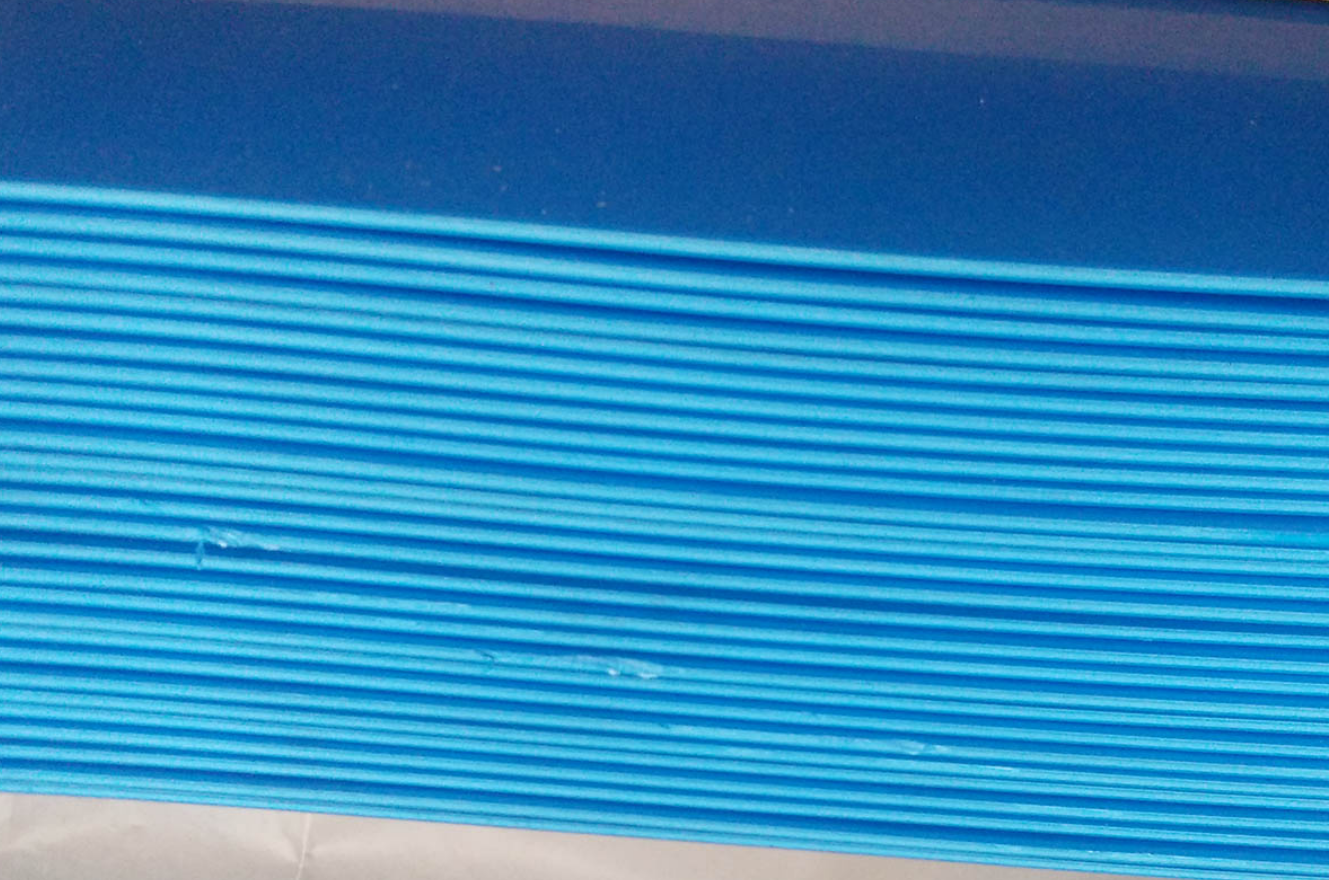
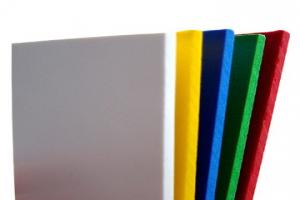
ABS sheet products are divided into general-purpose, high-impact, and heat-resistant grades according to their uses. No matter which grade it is, it is required that the surface of the board should be smooth and flat, and no ripples, missing marks, scratches, black spots and impurities that may affect the use are allowed; bubbles and cracks are not allowed. If you have special requirements for appearance, it can be determined by both parties.
In order to further ensure the quality of ABS plates, it is necessary to conduct batch and counting sampling inspections of ABS plates. ABS sheets are produced in batches with the same brand, the same formula, the same process, and the same color. The quantity of each batch shall not exceed 10 tons. A delivery may consist of one or more batches. The batch number shall be indicated during delivery. Products with the same delivery batch number shall be a delivery inspection batch.
During the acceptance inspection of ABS sheets, the external packaging of the product should be checked first, and a sufficient number of packaging units should be randomly selected from the intactly packaged products. If the number of intact packages is less than half of the total packaging quantity of the delivery batch, acceptance inspection should not be carried out, and the matter should be resolved through negotiation between the supply and demand parties.
Type inspection of ABS plates is generally carried out at least once a quarter. If new products or old products are transferred to the factory for trial production; after formal production, if there are major changes in structure, materials, and processes that may affect product performance; when the product resumes production after a long-term suspension; when the factory inspection results are significantly different from the last type inspection; and when the national quality supervision agency proposes a requirement for type inspection, ABS plates must be inspected.