Kunshan Yige Plastic Co., Ltd.
Tel: 0512-57560558
Fax: 0512-57560758
Mr. Liu: 15501332697
Mr. Liu: 13817874728
Sales Department: 15995699485
Sales Department 2: 15950161085
Email: ksygsj2014@163.com
Address: No. 68, Songnan East Road, Shipu, Qiandeng Town, Kunshan City, Jiangsu Province, China
Website: www.ksyige.com
www.kstpe.com
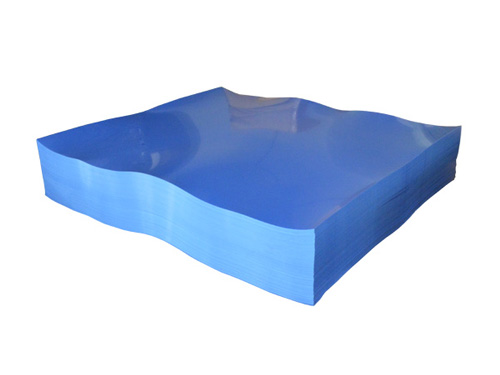
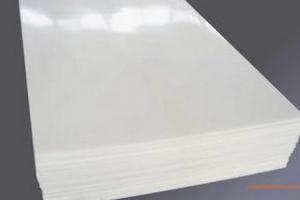
HDPE sheets: cross-border applications in many fields, reshaping the practical form of industry and life
Today, with the rapid advancement of material science, high-density polyethylene (HDPE) sheets have evolved from a single industrial auxiliary material to an "all-round player" across multiple fields with their multiple advantages such as corrosion resistance, wear resistance, impact resistance, and easy processing. From equipment linings in heavy industry to environmental protection facilities in daily life, the application scenarios of HDPE boards continue to expand, and its role in various fields has become increasingly critical, becoming an indispensable and important material in modern production and life.
Chemical anti-corrosion field: HDPE sheets become a "corrosion-resistant barrier" to protect production safety
The production environment in the chemical industry is often filled with corrosive media such as acids, alkalis, and organic solvents. The anti-corrosion performance of equipment is directly related to production safety and lifespan. HDPE sheets have excellent chemical stability and can withstand the erosion of most acids and alkalis (such as sulfuric acid, nitric acid, sodium hydroxide, etc.) and organic solvents, making them an ideal material for anti-corrosion of chemical equipment.
In the sulfuric acid storage tank project of a large fertilizer plant, traditional metal storage tanks need to be overhauled every three years due to corrosion problems. Not only are maintenance costs high, but there is also a risk of leakage. After switching to HDPE sheets as tank linings, its smooth surface reduces medium residue and does not react chemically with sulfuric acid, extending the service life of the tank to more than 10 years and reducing maintenance costs by 70%. The equipment section chief of the plant said: "HDPE sheets are like a 'golden bell', which allows us to completely get rid of the problem of tank corrosion. We can save nearly a million yuan every year in maintenance fees alone." In addition, the wear-resistant properties of HDPE sheets are also fully utilized in easy-to-wear parts such as elbows and tees of chemical pipelines. Its wear resistance is 4 times that of ordinary steel pipes, which effectively reduces pipeline losses caused by medium erosion and ensures the stable operation of the transportation system.
Municipal engineering construction: HDPE sheets become "multifunctional building materials" to help upgrade infrastructure
Municipal engineering has strict requirements on the durability and environmental protection of materials. With its unique properties, HDPE sheets shine in scenarios such as drainage, anti-seepage, and road repair. In the renovation of urban underground drainage systems, HDPE boards are widely used to make the well shafts and well seats of rainwater collection wells. Its impact resistance is more than twice that of traditional concrete. It can withstand heavy vehicle rolling without deformation, and its weight is only 1/8 of the same volume of concrete, which greatly reduces the difficulty of construction and transportation.
Food and pharmaceutical industry: HDPE sheets build a "clean defense line" to ensure product safety
The food and pharmaceutical industries have extremely high requirements on the hygiene and safety of materials. HDPE sheets have become the "cleanliness responsibility" in the production process due to their non-toxic, odorless and easy-to-clean properties. In food processing workshops, HDPE sheets are used to make work surfaces, conveyor belts and equipment casings. Their surfaces are smooth and non-stick, can withstand high-temperature sterilization (below 100°C), and will not release harmful substances to contaminate food.
In the yogurt filling workshop of a large dairy factory, the stainless steel work surface used in the past was prone to bacteria breeding due to gaps and had to be wiped repeatedly with chemical disinfectants every day, which was time-consuming and may leave chemical residues. After switching to a workbench made of HDPE sheets, its seamless splicing design reduces sanitary dead corners and only needs to be rinsed with water to keep it clean. The disinfection time is shortened by 60%, while the risk of chemical residues is avoided. The pass rate of product microbial sampling is increased to 100%. In the clean workshops of the pharmaceutical industry, HDPE sheets are used to make pharmaceutical turnover boxes and shelves. Its antistatic modified varieties can also prevent electrostatic adsorption of dust, comply with GMP certification requirements for environmental cleanliness, and provide safe material storage and transfer guarantees for pharmaceutical production.
Agriculture and aquaculture: HDPE sheets become “efficiency-enhancing tools” to promote green production
The agriculture and aquaculture fields have outstanding demands for materials with regard to weather resistance and low cost. The emergence of HDPE sheets provides new solutions for production upgrading in these fields. In the construction of greenhouses, HDPE sheets are used as covering materials. Their light transmittance can reach more than 85% and they have good thermal insulation properties. They can make the temperature inside the greenhouse 3-5°C higher than traditional plastic films and extend the crop growth period. After a vegetable planting base uses HDPE sheets to cover greenhouses, winter cucumber production increases by 20%, and the sheets have a service life of more than 5 years, which is 10 times that of ordinary films, and the overall cost is reduced.
In aquaculture, HDPE sheets are widely used to make fish pond linings and breeding boxes. Its smooth surface reduces the adhesion of algae and does not produce harmful substances that affect water quality due to weathering like cement ponds. After a shrimp farm uses fish ponds lined with HDPE boards, the frequency of water changes is reduced from once a week to once a month, water consumption is reduced by 80%, and the incidence of shrimp is reduced by 30%, and the breeding efficiency is significantly improved. In addition, HDPE sheets can also be used to make agricultural irrigation pipes. They have excellent water pressure resistance, smooth inner walls, and low water flow resistance. Compared with traditional steel pipes, they can reduce energy consumption by 20%, helping to save water and energy in agriculture.
Logistics and packaging industry: HDPE sheets become "protection experts" to improve transportation safety
In logistics and transportation, the protection of goods and packaging costs are the focus of enterprises. HDPE sheets have become the first choice of packaging materials due to their impact resistance and easy processing characteristics. In the transportation of heavy machinery parts, HDPE sheets are made into cushion liners and pallets, which can absorb vibration and impact during transportation and prevent parts from being damaged by collisions. After a construction machinery company switched to packaging pallets made of HDPE sheets, the damage rate during parts transportation dropped from 5% to 0.5%, reducing losses by more than 500,000 yuan per year.
In electronic equipment packaging, anti-static modified products of HDPE sheets can effectively prevent static electricity from damaging electronic components. Its surface resistance value can be controlled between 10⁶-10⁹Ω, which meets the anti-static requirements of the electronics industry. During the transportation of parts of a mobile phone manufacturer, anti-static turnover boxes made of HDPE sheets were used to reduce the proportion of components damaged by static electricity by 90%, ensuring the stability of the supply chain. In addition, HDPE sheets can also be made into various special-shaped packaging containers through cutting, welding and other processes to meet the packaging needs of goods of different shapes. Its recyclability is also in line with