Kunshan Yige Plastic Co., Ltd.
Tel: 0512-57560558
Fax: 0512-57560758
Mr. Liu: 15501332697
Mr. Liu: 13817874728
Sales Department: 15995699485
Sales Department 2: 15950161085
Email: ksygsj2014@163.com
Address: No. 68, Songnan East Road, Shipu, Qiandeng Town, Kunshan City, Jiangsu Province, China
Website: www.ksyige.com
www.kstpe.com
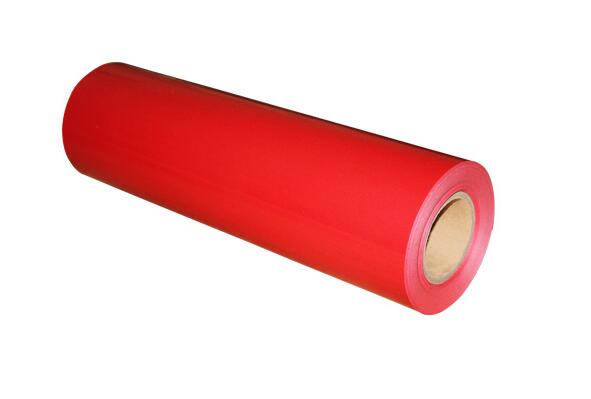
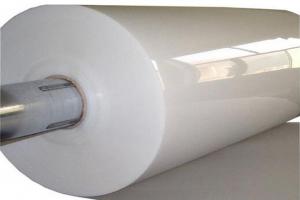
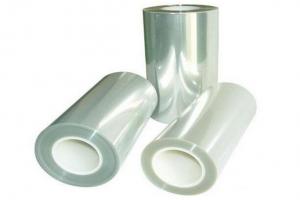
PE blister roll
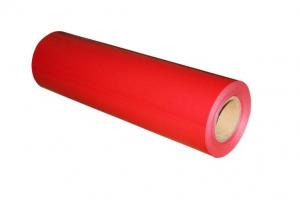
Specific gravity: 0.93g/cm³
Suitable for frozen food blister packaging boxes for use in microwave ovens, good quality, no added recycled materials, no fillers, easy to blister, high transparency
Physical properties
Polyethylene (PE) is a polymer polymerized from ethylene. The product has been developed for about 60 years. Global polyethylene production ranks first among the five general-purpose resins.
Depending on the polymerization method, molecular weight, and chain structure, polyethylene is divided into high-density polyethylene, low-density polyethylene, and linear low-density polyethylene.
Low Density Polyethylene (LDPE), commonly known as high-pressure polyethylene, has the softest material due to its low density. It is mainly used in plastic bags, agricultural films, etc.
High Density Polyethylene (HDPE), commonly known as low-pressure polyethylene, has higher temperature resistance, oil resistance, steam permeability resistance and environmental stress cracking resistance than LDPE and LLDPE. In addition, it has good electrical insulation, impact resistance and cold resistance. It is mainly used in blow molding, injection molding and other fields.
Linear Low Density Polyethylene (LLDPE) is a copolymer of ethylene and a small amount of higher α-olefins polymerized in the presence of a catalyst. The appearance of LLDPE is similar to that of LDPE, but its transparency is poor, but its surface gloss is good. It has the advantages of low temperature toughness, high modulus, resistance to bending and stress cracking, and good impact strength at low temperatures.
LLDPE application fields have penetrated into almost all LDPE markets. At this stage, LLDPE and HDPE are in the growth stage of the life cycle; LDPE gradually entered the development and maturity stage at the end of the 1980s, and few LDPE equipment in the world have been put into production. Polyethylene can be formed by extrusion, injection, molding, blow molding and melt spinning. It is widely used in industry, agriculture, packaging and daily industry. It is widely used in China. Film is its largest user, consuming about 77% of low-density polyethylene and 18% of high-density polyethylene. In addition, injection molded products, wires and cables, hollow products, etc. all occupy a large proportion in its consumption structure and play a decisive role in the plastics industry.
Thermal properties
Polyethylene is a typical thermoplastic that is an odorless, tasteless, non-toxic flammable white powder. The PE resins used for molding processing are extruded and granulated waxy pellets with a milky white appearance. Its molecular weight is in the range of 10,000 to 10,000 loa. Molecular weight exceeds 10. Thousands of them are ultra-high molecular weight polyethylene f UHMWPE3. The higher the molecular weight, the better the physical and mechanical properties, and the closer they are to the required level of engineering materials. However, the higher the molecular weight, the more difficult it is to process. The melting point of polyethylene is 10---130C. Its low temperature resistance is excellent. It can still maintain good mechanical properties at -60℃, but the use temperature is between 80~110℃.
Chemical stability
Polyethylene has good chemical stability and can withstand dilute nitric acid, dilute sulfuric acid and any concentration of hydrochloric acid, hydrofluoric acid, phosphoric acid, formic acid, acetic acid, ammonia, amines, hydrogen peroxide, sodium hydroxide, potassium hydroxide and other solutions at room temperature. But it is not resistant to strong oxidizing corrosion, such as mixtures of fuming sulfuric acid, concentrated nitric acid, chromic acid and sulfuric acid. At room temperature, the above solvents will slowly corrode polyethylene, but at 90---100°C, concentrated sulfuric acid and concentrated nitric acid will quickly corrode polyethylene, causing it to be damaged or decomposed.
Under the action of atmosphere, sunlight and oxygen, polyethylene will age, discolor, crack, become brittle or pulverized, and lose its mechanical properties. At the molding processing temperature, the melt strength will also decrease due to oxidation, causing discoloration and streaks. Therefore, attention should be paid to the molding process and use process or when selecting materials. Because polyethylene has the above characteristics and is easy to process and shape, the recycling of polyethylene has far-reaching value.
Electrical properties
Because polyethylene is non-polar, it has excellent electrical properties such as low dielectric loss and high dielectric strength. It can be used as frequency modulation insulation materials, corona-resistant plastics, and high-voltage insulation materials.
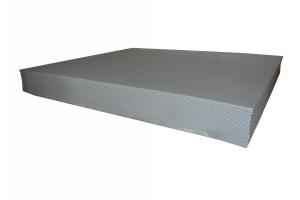
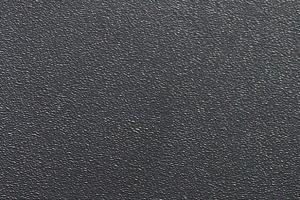
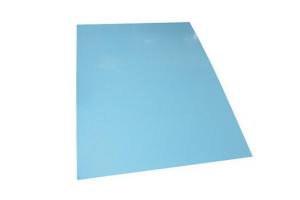
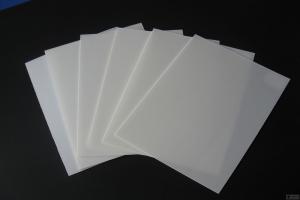
Specializing in the production of PS sheets, PP sheets, PE sheets, PET sheets, PET|PP food sheets, HDPE sheets|rolls, PP sheets|rolls, PS sheet|rolls, ABS sheets|rolls, ABS covered TPU sheets|rolls, carrier tapes, cover tapes|roll discs and more than a dozen product series