Kunshan Yige Plastic Co., Ltd.
Tel: 0512-57560558
Fax: 0512-57560758
Mr. Liu: 15501332697
Mr. Liu: 13817874728
Sales Department: 15995699485
Sales Department 2: 15950161085
Email: ksygsj2014@163.com
Address: No. 68, Songnan East Road, Shipu, Qiandeng Town, Kunshan City, Jiangsu Province, China
Website: www.ksyige.com
www.kstpe.com
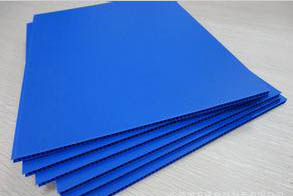
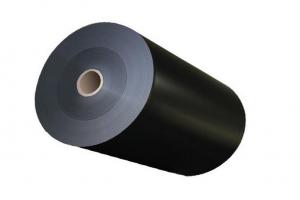
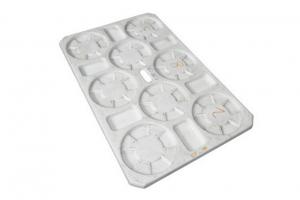
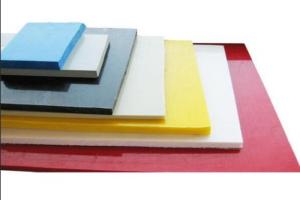
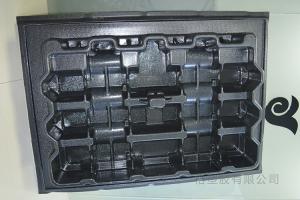
TPU sheets for extrusion: multi-functional materials with excellent performance and their wide range of applications and core values
Extruded TPU sheet, whose full name is thermoplastic polyurethane elastomer co-extruded sheet, is a high-performance composite material produced through the co-extrusion process. It combines a variety of excellent properties and shows irreplaceable value in many fields such as industry, medical care, and people's livelihood. It uses thermoplastic polyurethane (TPU) as the base material and is compounded with other materials (such as PP, PE, ABS, etc.) through co-extrusion technology to form a new plate with multiple properties. It not only retains the elasticity, wear resistance, weather resistance and other advantages of TPU itself, but also makes up for the shortcomings of a single material through the composite structure, becoming a material choice with great potential in modern manufacturing.
1. Core characteristics of extruded TPU sheets: excellent performance lays the foundation for wide application
The core advantages of extruded TPU sheets stem from its unique material properties and advanced co-extrusion technology, which can be summarized as follows:
- Excellent mechanical properties: TPU itself has extremely high impact strength and tensile strength. Even when subjected to severe external impact, it can absorb energy through its own elastic deformation and is not easy to break or chip. For example, protective panels made of extruded TPU sheets can withstand 3 times the impact force of traditional plastic sheets in industrial equipment collision tests, and can rebound quickly after deformation, effectively protecting the internal structure of the equipment. At the same time, its excellent flexibility allows the board to be bent up to 180 degrees without cracks, making it suitable for scenarios that require frequent folding or bending, such as foldable industrial protective covers, flexible conveying pipes, etc.
- Excellent environmental resistance: In terms of temperature adaptability, extruded TPU sheets can maintain stable performance in environments ranging from -40°C to 120°C. Whether it is outdoor equipment in the cold northern winter or mechanical components in high-temperature workshops, they can work normally. In terms of chemical corrosion resistance, it has good resistance to various chemical substances such as acids, alkalis, and oils. Tank linings or transportation pipelines made with it can transport industrial raw materials containing corrosive components for a long time, and their service life is 2-3 times that of ordinary rubber products. In addition, it also has excellent hydrolysis resistance and aging resistance. After many years of use in humid environments, the performance attenuation rate is less than 10%. It is especially suitable for use in humid workshops with high requirements for hygienic conditions such as food processing and pharmaceutical production.
- Flexible processing and compounding characteristics: The co-extrusion process gives TPU boards diverse structural design space. TPU can be compounded with other materials according to needs to form functional combinations such as "hard support + soft sealing" and "wear-resistant layer + anti-corrosion layer". For example, TPU and PP co-extruded boards have wear-resistant TPU as the surface layer and rigid PP as the bottom layer, which not only ensures the scratch resistance of the surface, but also enhances the stability of the overall structure. It is suitable for making industrial pallets that require load-bearing. At the same time, extruded TPU sheets can be processed through cutting, welding, injection molding and other methods, and the molding speed is fast, and the production efficiency is more than 50% higher than traditional rubber sheets, which can quickly meet the mass production needs of factories.
- Environmental protection and safety features: TPU material itself does not contain heavy metals, phthalates and other harmful substances, and complies with many environmental standards such as EU RoHS and US FDA. Products made from it can also ensure safety when in contact with food and medicine. In addition, TPU is a recyclable material. The scraps used for extruding TPU boards can be crushed, re-melted and processed again, which reduces the generation of industrial waste and is in line with the green development concept of modern manufacturing.
2. Typical application methods of extruded TPU sheets: covering practical scenarios in many fields
With the above characteristics, extruded TPU sheets are widely used in factory production, industrial manufacturing, household products and other fields. The following are several typical scenarios:
(1) Industrial protection and equipment accessories field
- Equipment protective covers and baffles: In mechanical processing factories, lathes, milling machines and other equipment will produce debris flying when they are running. Protective covers made of extruded TPU sheets can not only achieve multi-angle opening and closing through its flexibility, but also block debris with its impact resistance to protect the safety of operators. At the same time, the oil resistance of the plate can prevent machine tool lubricating oil from corroding and extend the service life of the protective cover.
- Shock absorption and buffer components: At the bottom of machinery with large vibrations such as stamping equipment and crushers, cushion pads made of extruded TPU sheets can be laid to absorb vibration energy through the elasticity of TPU and reduce noise when the equipment is running (actual measurements can reduce noise by 15-20 decibels). At the same time, vibration damage to the ground and the equipment itself is reduced, and maintenance costs are reduced.
- Sealing and connecting components: Sealing rings made of extruded TPU sheets are used in pipeline flange connections, equipment hatches and other parts. Its excellent elasticity ensures good sealing under pressure changes and prevents liquid or gas leakage. Especially in high-pressure pipeline connections in chemical plants, the corrosion resistance and high-pressure resistance of TPU sealing rings (can withstand pressures above 10MPa) far exceed those of traditional rubber sealing rings.
2) Conveying and packaging fields
- Industrial conveying pipes: Extruded TPU sheets can be made into conveying pipes of various diameters through the extrusion process, which are used to convey granular materials (such as plastic particles, ore powder), viscous fluids (such as coatings, adhesives), etc. Because its inner wall is smooth and wear-resistant, the material transportation resistance is small and it is not easy to scale, which reduces pipeline blockage and cleaning times and improves production efficiency. In food processing plants, TPU delivery pipes also meet food contact standards and can safely transport juices, sauces and other raw materials.
- Packaging materials: For fragile products such as precision instruments and electronic components, packaging linings made of extruded TPU sheets can wrap the products through their flexibility and cushioning to prevent collision damage during transportation. At the same time, the moisture resistance of the board protects the product from moisture, making it especially suitable for use in rainy areas or during maritime transportation.
(3) Automobile and transportation fields
- Automotive interiors and functional components: In automobile manufacturing plants, extruded TPU sheets are used to make door seals, instrument panel wrapping, etc. The sealing strip uses the elasticity and weather resistance of TPU to effectively prevent rain and dust from entering the car, and remains soft at low temperatures of -40°C, preventing sealing failure in winter. The instrument panel wrapping layer uses